
No products in the cart.
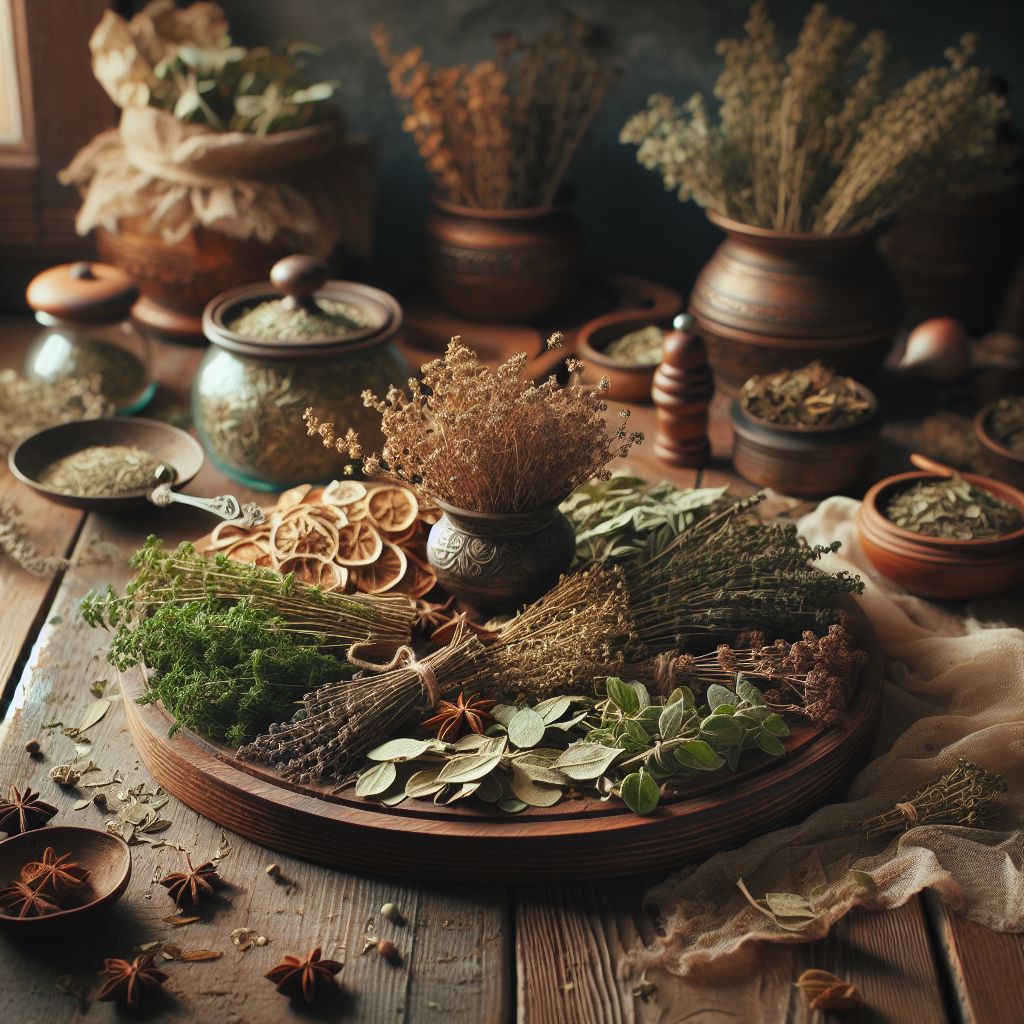
Unlocking Flavor: A Gentle Guide to Choosing Between Dried and Fresh Herbs for Home Cooking
Introduction: The Herb’s Role in Culinary Arts
Herbs are the unsung heroes of the culinary world, wielding the power to transform ordinary dishes into extraordinary culinary experiences. Whether you’re a seasoned chef or a home cook, understanding how to use herbs can elevate your cooking to new heights. These aromatic plants not only add flavor and aroma but also bring color and vibrancy to your dishes. In this guide, we’ll explore the delightful world of herbs and help you decide when to use dried or fresh varieties in your home cooking.
Flavor and Aroma Description
Herbs offer a spectrum of flavors and aromas, ranging from the bright and citrusy notes of cilantro to the earthy and peppery hints of rosemary. Fresh herbs often bring a lively and vibrant aroma, while dried herbs tend to have a more concentrated and subdued scent. Understanding these nuances is key to making the right choice in your cooking.
Dried vs Fresh: A Flavorful Debate
Both dried and fresh herbs have their place in the kitchen, and the choice often depends on the dish you’re preparing. Fresh herbs, with their delicate flavors, are perfect for garnishing or adding towards the end of cooking. Think of fresh basil on a Margherita pizza or cilantro sprinkled over a spicy curry. On the other hand, dried herbs, with their concentrated flavors, are ideal for slow-cooked dishes like stews and soups, where they can release their essence over time.
Best Cooking Uses
Fresh herbs shine in dishes that require a burst of flavor at the last moment, such as salads, pasta, and seafood. Dried herbs excel in recipes that benefit from prolonged cooking times, such as casseroles, braises, and marinades. When substituting, remember that dried herbs are more potent, so you’ll need less of them compared to fresh—typically, one teaspoon of dried herbs equals one tablespoon of fresh.
Common Mistakes
One common mistake is adding fresh herbs too early in the cooking process, which can cause them to lose their flavor. Similarly, using too many dried herbs can overpower a dish, turning it bitter. Always taste as you go and adjust the seasoning to your preference.
Pairings with Other Spices
Herbs pair beautifully with a variety of spices, creating complex and layered flavors. For example, thyme and garlic are a classic duo for roasts, while cilantro and cumin are a match made in heaven for Mexican and Indian cuisines. Experimenting with different combinations can lead to delightful discoveries in your cooking.
Storage Tips
To extend the life of fresh herbs, store them in a glass of water in the refrigerator, much like a bouquet of flowers. For dried herbs, keep them in airtight containers away from direct sunlight to preserve their potency. Proper storage ensures that your herbs remain flavorful and ready to enhance your dishes.
Simple Dish Examples
For a quick and delicious dish, try making a fresh herb salad with parsley, mint, and dill, tossed in a lemon vinaigrette. For a warm and comforting meal, prepare a slow-cooked beef stew seasoned with dried thyme, oregano, and bay leaves. These simple dishes highlight the unique qualities of both fresh and dried herbs, demonstrating their versatility in the kitchen.
In the world of culinary arts, herbs are your allies in unlocking flavors and aromas that captivate the senses. By understanding when to use dried or fresh herbs, you can transform your home-cooked meals into delightful experiences that tantalize the taste buds. So go ahead, spice up your plate, and let herbs guide you on a flavorful journey.


Related posts
Introduction: The Understated Hero of the Herb World In the vast world of culinary herbs, bay leaves often go unnoticed, overshadowed by flashier counterparts such... Continue reading

Exploring the Aromatic World of Thyme and Rosemary: A Classic Guide for Home Cooks In the enchanting realm of culinary herbs, thyme and rosemary stand... Continue reading

“`html Exploring the Subtle Differences: Oregano vs. Basil in Home Cooking Herbs have always played a crucial role in the culinary arts, transforming ordinary dishes... Continue reading
When it comes to creating a warm, inviting atmosphere in your kitchen, few ingredients are as versatile and essential as dried herbs. These small yet... Continue reading


Add comment