
No products in the cart.

How to Determine If Your Spices Have Expired and What to Do About It
In the world of culinary delights, spices are the unsung heroes that transform simple dishes into flavorful masterpieces. However, like all good things, spices have a shelf life. Using expired spices can lead to lackluster meals, making it essential to know when they’ve reached the end of their vibrant lives. This article will guide you through identifying expired spices, storing them correctly, and organizing your pantry for maximum efficiency and flavor.
Why This Matters for Flavor and Ease
Spices are the flavor backbone of many recipes. They add depth, warmth, and character to dishes, making them indispensable in the kitchen. When spices lose their potency, they don’t just fade into the background—they take the dish’s flavor with them. This is why it’s crucial to ensure your spices are fresh and full of flavor. Fresh spices mean less time spent compensating for lack of flavor in your dishes, simplifying your cooking process and enhancing your culinary experiences.
What Works Best: General Guidance
The first step in managing your spice collection is understanding the general shelf life of common spices. Ground spices typically last 2-3 years, while whole spices can last up to 4 years due to their lower exposed surface area. Herbs, being more delicate, often last between 1-3 years. To effectively gauge their freshness, rely on your senses:
– **Smell**: Crush a small amount between your fingers and inhale. If the aroma is weak or nonexistent, it’s time to replace them.
– **Color**: Faded colors can indicate diminished flavor. Vibrancy is key.
– **Taste**: While tasting spices directly isn’t always pleasant, a quick taste test can be revealing if you’re in doubt.
Common Storage or Tool Mistakes
Improper storage is the main culprit in shortening the life of your spices. Here are some common mistakes:
– **Exposure to Light**: Spices should be kept away from direct sunlight, as light can degrade their potency.
– **Heat and Humidity**: Placing spices near stoves or dishwashers is a recipe for disaster. Heat and moisture can cause spices to lose their flavor or clump together.
– **Using Wet Spoons**: Introducing moisture to a spice jar can cause spoilage or clumping.
– **Storing in Original Packaging**: While convenient, the original packaging often isn’t airtight, leading to faster degradation.
Tips for Small Kitchens
Small kitchens come with their own set of challenges, but you can still maintain a well-organized spice collection:
– **Vertical Storage**: Utilize vertical space with wall-mounted spice racks or magnetic strips.
– **Under-Cabinet Jars**: Attach jars under cabinets to save counter space.
– **Drawer Inserts**: Use inserts to keep spices organized and easily accessible in shallow drawers.
– **Consolidate**: Keep only what you use regularly in the kitchen and store extras elsewhere to avoid clutter.
How to Keep Spices Fresh Longer
To extend the life of your spices, consider the following practices:
– **Airtight Containers**: Transfer spices into airtight glass jars to prevent exposure to air and moisture.
– **Cool, Dark Storage**: Store spices in a cool, dark cabinet away from heat sources.
– **Bulk Buying**: Purchase spices in small quantities unless you use them frequently. This ensures you’re using them while they’re still fresh.
– **Whole Over Ground**: Whenever possible, buy whole spices and grind them as needed. Whole spices retain their potency longer than ground ones.
Simple Organization Advice
A well-organized spice collection can make cooking more enjoyable and efficient. Here’s how to organize your spices for easy access and freshness:
– **Label Clearly**: Use clear labels with the spice name and purchase date. This helps you quickly identify and manage your stock.
– **Categorize**: Group spices by type (e.g., baking, savory, herbs) or cuisine (e.g., Italian, Indian) for easier access.
– **Alphabetize or Color Code**: For larger collections, consider alphabetizing or color coding to speed up the search process.
– **Regular Inventory Checks**: Schedule regular checks to inspect your spices, ensuring you dispose of expired ones and reorder as necessary.
Conclusion
Managing your spice collection doesn’t have to be daunting. With a little attention and organization, you can keep your spices fresh and your meals flavorful. Remember, the key to great cooking is not just the right recipe, but the right ingredients. By ensuring your spices are fresh and properly stored, you’ll be well on your way to consistently delightful culinary creations. So, take the time to sort through your spice rack today—your taste buds will thank you.


Related posts
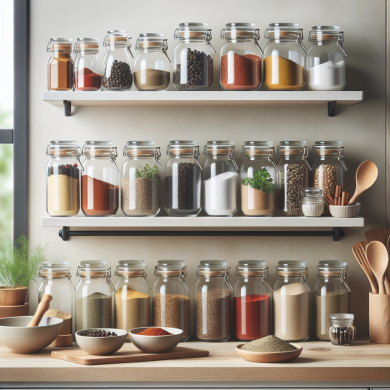
Welcome to SpiceUpYourPlate.com, your go-to resource for everything spice-related. Today, we’re diving into a topic that might seem mundane but is crucial for every kitchen:... Continue reading
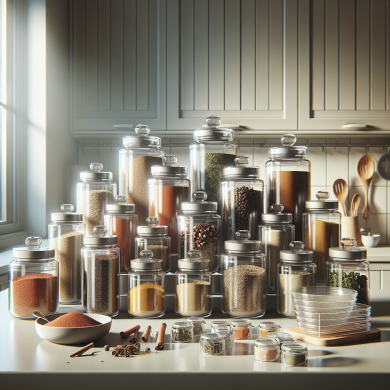
Spices are the unsung heroes of the culinary world. They can transform a mundane dish into a flavorful masterpiece with just a pinch or a... Continue reading
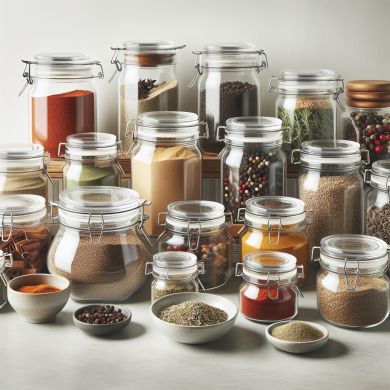
“`html When it comes to cooking, spices are the unsung heroes that can transform a dish from mundane to magnificent. However, all too often, spices... Continue reading


Add comment