
No products in the cart.
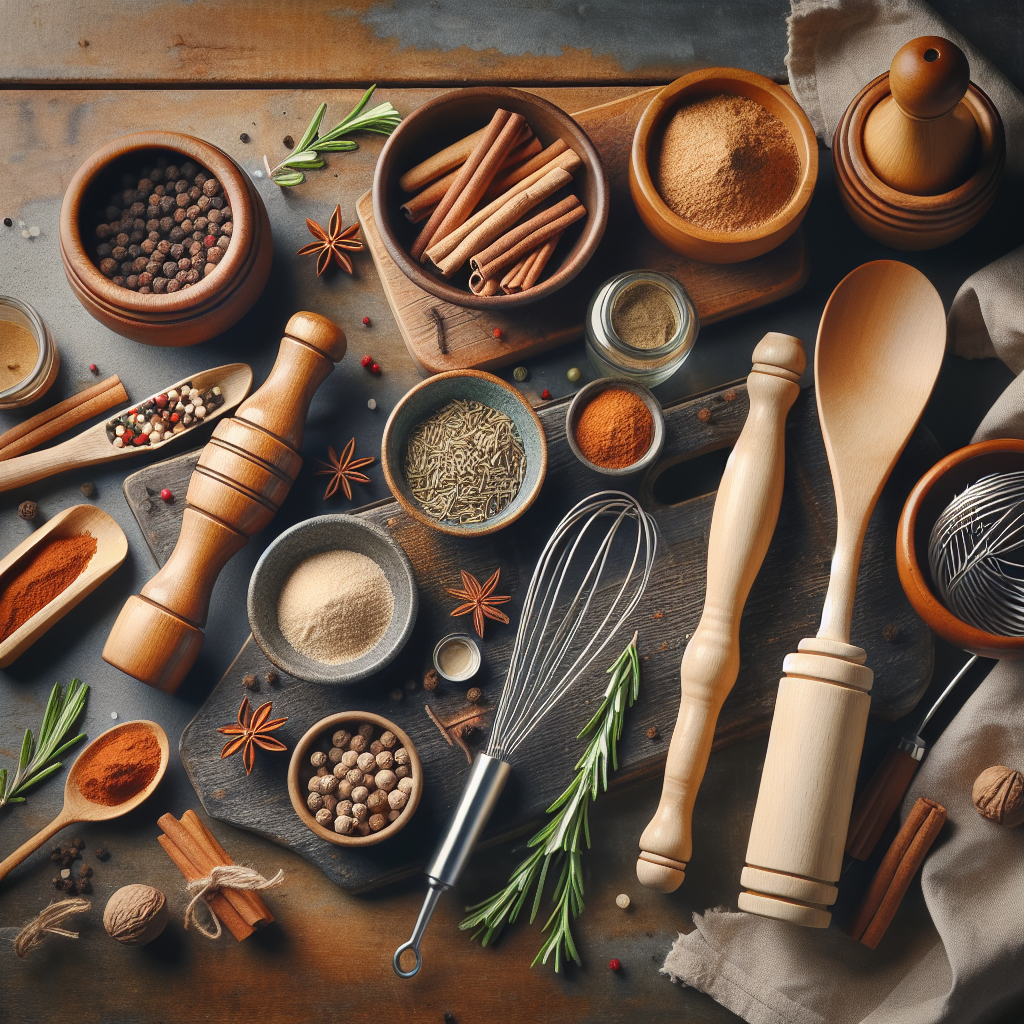
Your Essential Guide to Spices: Top Picks for Beginner Home Cooks
Introduction: Spice Up Your Cooking with Confidence
Welcome to the world of spices! Whether you’re an aspiring home cook or someone who just wants to make weekday dinners a bit more exciting, spices are your best friend. They can transform simple ingredients into delightful dishes with just a pinch. In this guide, we’ll walk you through essential spices, when and how to use them, and provide practical tips to ensure your cooking journey is both enjoyable and flavorful. So roll up your sleeves and get ready to spice up your plate!
Step-by-Step Guidance to Spice Mastery
Understanding Your Spice Rack
The first step to mastering spices is knowing what’s on your spice rack. Here’s a list of must-have spices for beginners:
– **Salt and Pepper**: The backbone of flavor. Salt enhances taste while pepper adds subtle heat.
– **Cumin**: Earthy and warm, perfect for curries, stews, and roasted vegetables.
– **Paprika**: Adds color and a mild sweetness, great for meats and grilled dishes.
– **Cinnamon**: Versatile for both sweet and savory dishes, from oatmeal to Moroccan tagines.
– **Chili Powder**: A blend of spices for a kick of heat, excellent in chili and Mexican dishes.
– **Garlic Powder**: Ideal for quick garlic flavor without peeling and chopping.
– **Oregano**: Earthy and slightly bitter, essential for Italian and Mediterranean cooking.
– **Basil**: Sweet and fragrant, perfect for pasta sauces and pesto.
When and How to Use Spices
Now that you have your spices, it’s time to learn how to use them effectively.
– **Start Simple**: Begin with a small number of spices to understand their flavors. For example, try cumin in a lentil soup or paprika on roasted chicken.
– **Timing is Key**: Add spices early in the cooking process to allow their flavors to develop. For quick-cooking dishes like stir-fries, you can add spices toward the end.
– **Layering Flavors**: Use a combination of spices to build depth. For example, use both cumin and chili powder in a chili for complex flavor.
– **Balance is Everything**: Avoid overpowering your dish with too many spices. Focus on complementary flavors and adjust to taste.
Common Mistakes to Avoid
– **Over-Spicing**: Start with small amounts and taste as you go. Remember, you can always add more, but you can’t take it away.
– **Old Spices**: Spices lose their potency over time. Give them a sniff—if they don’t have a strong aroma, it’s time to replace them.
– **Ignoring Salt**: While not a spice, salt is crucial for flavor balance. Always taste your dish before serving.
– **Storing Spices in Heat/Light**: Keep spices in a cool, dark place to maintain their flavor.
Simple Rules or Ratios
– **Basic Seasoning Ratio**: For a basic seasoning mix, try 1 part salt, 1 part pepper, 1 part garlic powder, and 2 parts paprika.
– **Herb and Spice Ratio for Soups**: Start with 1 teaspoon of spice per quart of liquid, adjusting to taste.
– **Spice Blends**: Create your own blends by mixing spices in equal parts. For example, mix cumin, coriander, and paprika for a simple rub for meats.
Quick Tips for Weeknight Cooking
– **Pre-Mix Your Spices**: Create spice blends ahead of time to speed up meal prep. Store them in labeled jars for easy access.
– **Use Spice Rubs**: For quick flavor, rub spices directly onto meat, fish, or vegetables before cooking.
– **Spiced Oils**: Infuse olive oil with garlic, chili flakes, or rosemary for a flavorful base to start cooking.
– **Taste as You Cook**: Constantly taste your dish to adjust seasoning and ensure balanced flavors.
Summary: Your Journey to Flavorful Cooking
Congratulations! You’ve taken the first step toward becoming a confident, spice-savvy home cook. Remember, cooking is as much about exploration as it is about following rules. Don’t be afraid to experiment with different spices and discover what works best for you. With practice, you’ll develop an intuitive sense for seasoning, transforming everyday meals into something extraordinary. So go ahead, dive into your spice rack, and let your culinary creativity take flight. Happy cooking!

Related posts

Introduction: Seasoning Confidence for Every Cook Welcome to “Mastering the Art of Seasoning.” If you’ve ever felt overwhelmed by the spice aisle or unsure of... Continue reading

Welcome to SpiceUpYourPlate.com! If you’ve ever felt that your home-cooked meals lack a certain pizzazz, you’re not alone. The secret to transforming simple dishes into... Continue reading

Introduction Welcome to the flavorful world of spices! Whether you’re a complete beginner or an everyday home cook looking to add some zest to your... Continue reading


Add comment